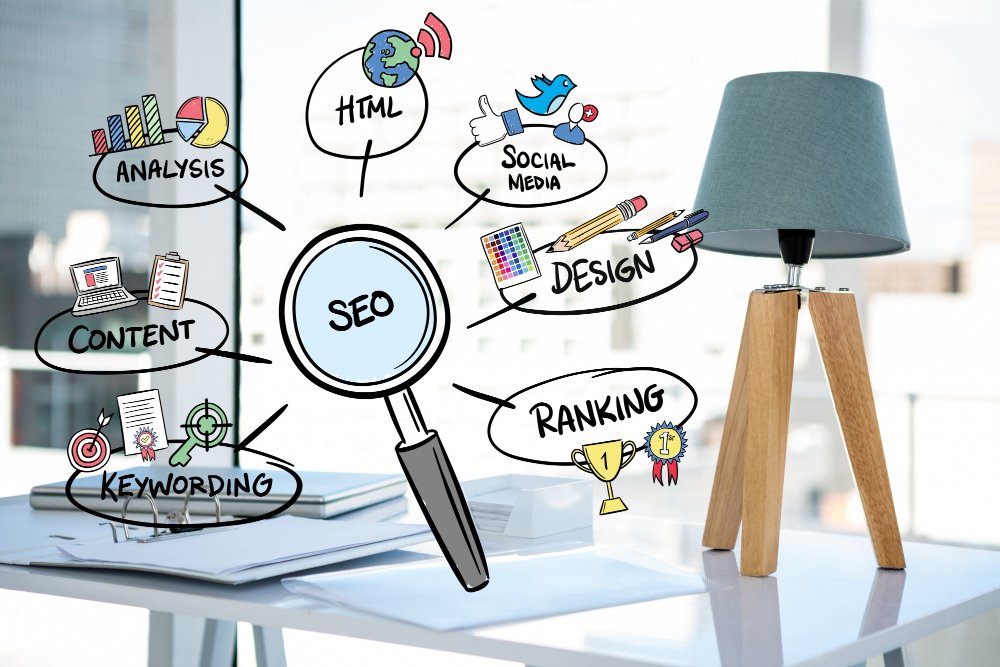
How Website Design Affects SEO Rankings

How Website Design Affects SEO Rankings
In today’s digital landscape, website design is much more than visual appeal—it directly influences your search engine rankings, online visibility, and overall business growth. Companies in the USA, UK, Canada, Australia, France, Saudi Arabia, and the UAE (Dubai) rely on well-structured, user-friendly websites to improve performance, engage visitors, and rank higher on search engines.
A website’s design affects everything from user experience and navigation to page speed and content accessibility. Poorly designed websites can lead to high bounce rates, slow load times, and reduced search engine visibility, while well-designed sites help search engines crawl your content effectively and keep users engaged.
In this article, we’ll explore how website design affects SEO rankings and highlight the key design elements that every business should optimize to improve search performance, attract more organic traffic, and stay ahead in competitive markets.
1. Flexible and Customizable Website Design
A key factor in SEO performance is having a website that is both flexible and fully customizable. The design and structure of your site directly affect how search engines crawl your content and how users interact with it.
Whether your business is an eCommerce store, a corporate service provider, a creative agency, or a consulting firm, your website should reflect your brand identity while providing a smooth user experience. Flexible design allows you to create layouts, add essential features, and optimize navigation in ways that improve SEO performance.
Examples of website types where design impacts SEO include:
- Corporate business websites
- Online stores and marketplaces
- Service-focused platforms
- Portfolio or creative showcase sites
- Booking and appointment platforms
For instance, a creative agency like FLIPSIDE CREATIVES can use visually engaging galleries, video sections, and interactive portfolio pages. Well-structured, flexible design like this not only improves user engagement but also helps search engines index content more effectively, boosting rankings.
2. SEO-Focused Design for Better Visibility
Website design and SEO go hand-in-hand. A thoughtfully designed website ensures that search engines can easily crawl, index, and understand your content, which is critical for ranking in competitive markets such as the USA, UK, Canada, Australia, France, Saudi Arabia, and Dubai.
Key design elements that affect SEO include:
- Clean, organized code and site structure
- Mobile-friendly and responsive layouts
- Fast-loading pages for improved user experience
- Optimized meta titles, descriptions, headings, and URLs
- Integration with SEO tools, plugins, or schema markup
When these elements are incorporated into your website design, search engines can better interpret your site, while users enjoy a smooth browsing experience. This combination improves organic traffic, increases visibility in search results, and strengthens your site’s authority globally.
3. Easy Content Management for SEO
Website design isn’t just about appearance—it also impacts how easily content can be managed and optimized for search engines. A modern business website should make content updates simple and intuitive, allowing companies to maintain fresh, relevant, and SEO-friendly content without relying heavily on developers.
An easy-to-use content management system (CMS) empowers business owners to:
- Publish new blog posts or articles quickly
- Update service or product pages
- Upload images, videos, and other media
- Manage testimonials, case studies, and client content
When content can be updated efficiently, businesses can implement SEO best practices consistently—adding optimized keywords, meta descriptions, and regional targeting for global audiences. Regularly refreshed content improves search engine rankings, keeps users engaged, and supports ongoing digital marketing campaigns.
Additionally, a streamlined CMS integrated with good website design reduces technical bottlenecks, enhances site performance, and ensures search engines can crawl and index content effectively, all of which positively impact SEO rankings.

4. Optimized Website Development for SEO
Website design and development directly impact SEO performance. A site built efficiently with clean, organized code, optimized layouts, and proper structure not only reduces costs but also improves search engine rankings. Cost-effective, well-designed websites allow businesses to create a strong online presence without overspending while maintaining SEO-friendly practices.
Businesses, whether small startups, creative agencies, or service providers, can benefit from:
- Lightweight, fast-loading designs
- Clean and structured code for easy crawling
- SEO-ready templates and themes
- Efficient integration of features without overcomplicating the site
Companies in markets like Canada, Australia, the UK, and the UAE often prefer development approaches that balance affordability with SEO-focused design, ensuring the website is both professional and optimized for search engines.
5. Scalability and Growth-Oriented Design
A modern business website must be scalable, allowing it to evolve as your business grows. Scalability affects SEO because search engines favor websites that maintain fast performance, structured content, and consistent user experience even as new pages, products, or features are added.
A scalable website design allows businesses to gradually add functionality, such as:
- eCommerce stores and online shopping features
- Membership or subscription systems
- Booking and appointment platforms
- Online courses or digital products
- Customer dashboards and portals
High-traffic websites and global brands rely on scalable designs because they ensure consistent site speed, proper indexing, and structured content for SEO. By planning for scalability in design, your website becomes a future-proof asset that supports long-term SEO performance and growth in international markets.

6. Advanced Features and Integrations for SEO
Website design affects SEO not just through visuals but also through the functionality it supports. A modern website must integrate advanced features that improve performance, user experience, and search engine rankings.
Well-planned design allows businesses to seamlessly incorporate tools and features without compromising speed or usability. Key integrations that enhance SEO include:
- SEO optimization tools to improve visibility
- Security measures to build trust and protect user data
- Performance and speed enhancements for faster load times
- eCommerce functionality to organize and index products efficiently
- Contact and lead generation forms for better engagement
- Booking and appointment systems for structured content
- Analytics and reporting tools to monitor user behavior and performance
For international businesses, design-driven integrations like multilingual support can improve accessibility and SEO in multiple regions—for example, offering content in Arabic and English for audiences in Saudi Arabia or Dubai.
By incorporating advanced features thoughtfully within the website design, companies can enhance user experience, improve crawlability, and boost search engine rankings, ensuring their website meets both business and SEO goals.
7. Mobile-Friendly and Responsive Design
In 2026, mobile-friendliness is a critical factor for SEO. Over 60% of internet traffic comes from smartphones and tablets, so a website must perform flawlessly across all devices. Responsive design ensures your site automatically adapts to different screen sizes, providing a seamless experience for users and signaling quality to search engines.
A well-designed responsive website improves engagement metrics such as time on page and lower bounce rates—both key factors that influence SEO rankings. Businesses targeting global audiences benefit by reaching users consistently across:
- Smartphones
- Tablets
- Laptops
- Desktop computers
By prioritizing responsive design, your website becomes more user-friendly and ranks higher in search engine results.
8. Strong Security and Regular Updates
Website security is another design element that impacts SEO. Search engines prioritize safe, trustworthy sites, so incorporating security measures into your website design is essential.
Key security features include:
- Protection against malware and viruses
- Spam prevention
- Safeguards against brute-force login attempts
- Regular updates for software and plugins
Secure websites maintain user trust and prevent downtime, which can negatively affect search rankings. This is especially important for businesses handling sensitive data, online payments, or client information.
9. Global Support and Community
A modern website’s design is supported by a robust ecosystem of developers, designers, and technical specialists. Platforms with large communities, like WordPress, allow businesses to quickly solve technical issues, optimize site performance, and implement SEO-friendly best practices.
Benefits of this global support include:
- Access to step-by-step tutorials and resources
- Professional development and design assistance
- Technical troubleshooting and maintenance
- Custom solutions for business-specific needs
No matter where your business operates—USA, Canada, France, Saudi Arabia, or Dubai—this community ensures your website can remain optimized for search engines while delivering an excellent user experience.
10. Digital Marketing and SEO Integrations
Website design directly affects your ability to integrate marketing tools that boost SEO and lead generation. Properly designed sites can seamlessly connect with analytics, email marketing, social platforms, and CRM systems to track performance and optimize campaigns.
Key integrations include:
- Google Analytics and Search Console for performance insights
- Email marketing platforms for campaigns and lead nurturing
- Social media channels to increase engagement
- CRM systems to manage customer interactions
By designing your website with SEO and marketing integrations in mind, businesses can monitor user behavior, improve conversion rates, and achieve measurable growth across international markets.
Final Thoughts
Website design plays a critical role in determining SEO rankings and online visibility in 2026. From responsive layouts and fast-loading pages to structured navigation, security, and seamless marketing integrations, every design element affects how search engines rank your site and how users engage with it.
Businesses in the USA, UK, Canada, Australia, France, Saudi Arabia, and Dubai understand that a well-designed website is more than just visually appealing—it’s a strategic tool that drives organic traffic, improves search performance, and strengthens brand presence globally.
Whether you’re launching a startup, managing a creative agency, or expanding internationally, prioritizing SEO-focused design ensures your website delivers a professional, user-friendly, and results-driven digital experience.
When executed thoughtfully, website design becomes one of your most powerful assets—enhancing search engine rankings, attracting targeted visitors, generating leads, and supporting long-term growth across multiple markets.