Top Web Design Trends in 2026
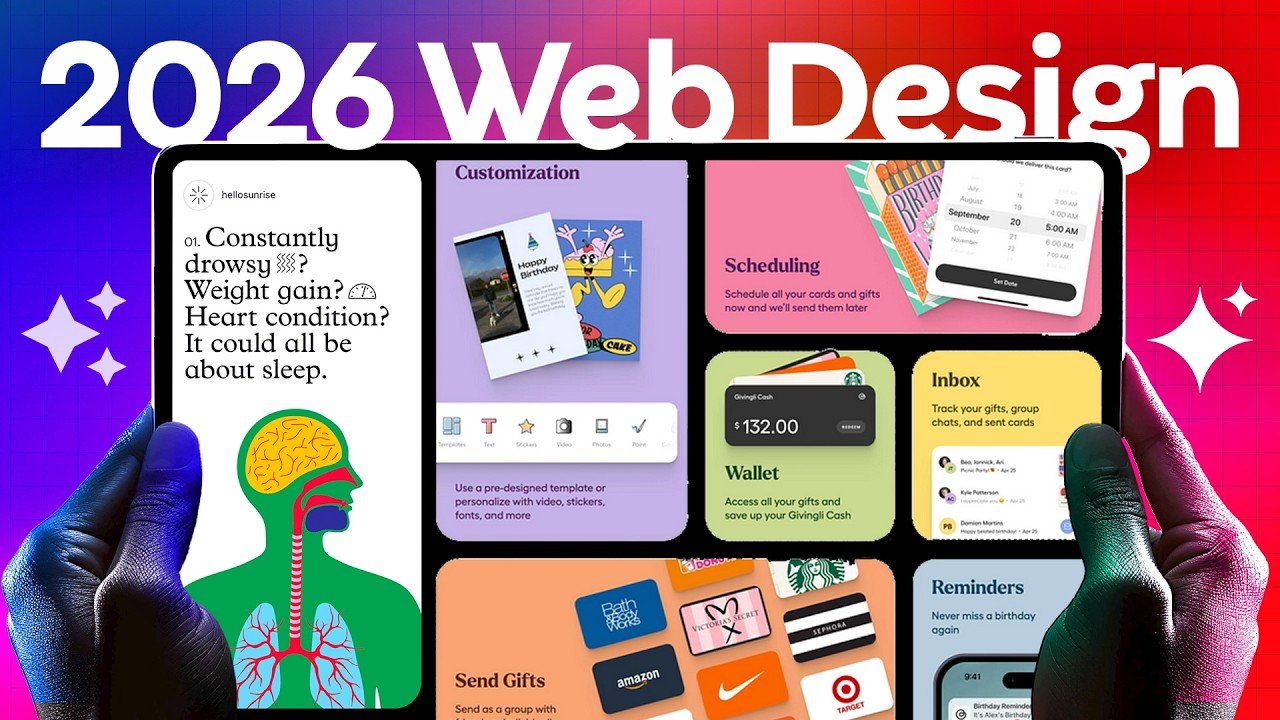
How Web Design Trends in 2026 Are Shaping Online Success
In 2026, website design goes far beyond aesthetics—it plays a crucial role in user experience, engagement, and overall digital performance. Businesses in the USA, UK, Canada, Australia, France, Saudi Arabia, and the UAE (Dubai) are increasingly adopting modern, trend-driven designs to stay competitive and capture audience attention.
The latest design trends influence everything from navigation and layout to page speed and content accessibility. Outdated or cluttered designs can frustrate visitors, slow down websites, and negatively affect visibility, while innovative, user-focused designs enhance interaction and ensure websites remain relevant in a fast-evolving digital landscape.
In this article, we’ll highlight the top web design trends in 2026 and explore the key features that businesses should embrace to create visually appealing, high-performing, and future-ready websites.
1. Flexible and Customizable Designs
One of the biggest web design trends in 2026 is flexibility and customization. Modern websites are no longer one-size-fits-all—design and structure need to adapt to different users, devices, and content types while reflecting a brand’s identity.
Whether it’s an eCommerce store, corporate site, creative agency, or consultancy, flexible design allows businesses to craft layouts, add interactive elements, and optimize navigation in ways that enhance usability and engagement.
Types of websites benefiting most from flexible design include:
- Corporate business websites
- Online stores and marketplaces
- Service-oriented platforms
- Creative portfolios and showcase sites
- Booking and appointment platforms
For example, creative agencies can integrate dynamic galleries, video sections, and interactive portfolios. Trend-driven, flexible design like this keeps users engaged and ensures search engines can easily understand and index your content.
2. SEO- and User-Focused Design
Web design in 2026 increasingly prioritizes both aesthetics and performance. Websites that balance style with functionality make it easier for search engines to crawl and index content while providing a seamless user experience—critical in competitive markets like the USA, UK, Canada, Australia, France, Saudi Arabia, and Dubai.
Key design elements shaping this trend include:
- Clean, well-structured code and layouts
- Mobile-first and fully responsive design
- Fast-loading pages for better user interaction
- SEO-friendly headings, meta titles, descriptions, and URLs
- Integration with SEO tools, schema markup, or performance plugins
By combining these elements, modern websites not only deliver smooth browsing experiences but also improve organic visibility, strengthen authority, and keep brands competitive in 2026’s evolving digital landscape.
3. Easy Content Management and CMS Flexibility
In 2026, one of the key web design trends is building websites that make content management simple and intuitive. Modern design isn’t just about looks—it also ensures businesses can quickly update and optimize content without relying heavily on developers.
User-friendly content management systems (CMS) allow website owners to:
- Publish blogs or articles instantly
- Update product or service pages
- Add images, videos, and multimedia
- Manage testimonials, case studies, or portfolios
Efficient content updates help businesses stay relevant and maintain SEO best practices, such as adding optimized keywords, meta descriptions, and region-specific content. Regularly refreshed content keeps users engaged and supports ongoing marketing efforts.
Moreover, integrating a streamlined CMS with modern web design trends reduces technical issues, improves site speed, and ensures search engines can crawl and index pages effectively—enhancing overall website performance and visibility in 2026.
4. Performance-Focused Website Development
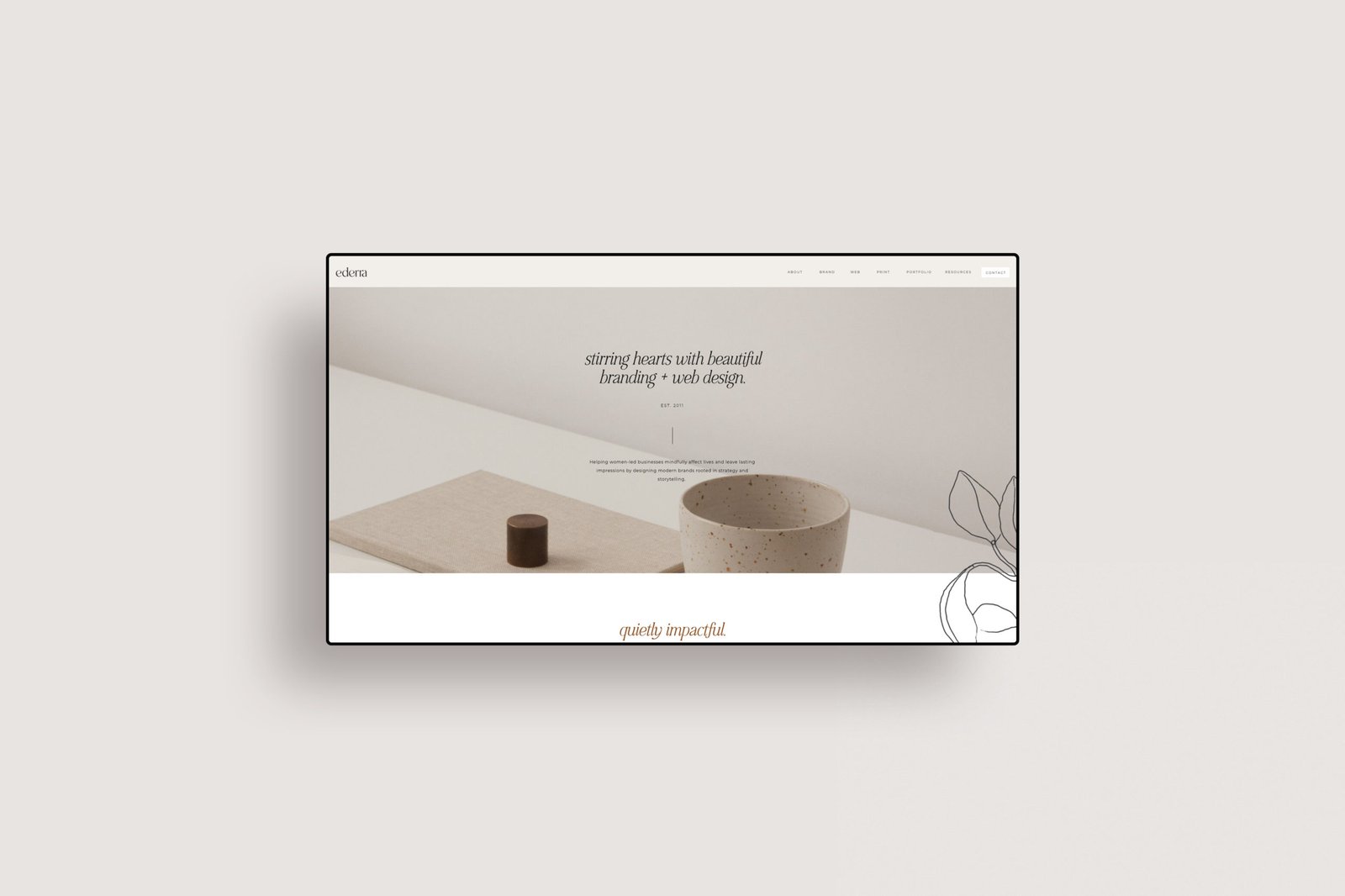
One of the major web design trends in 2026 is developing websites that combine clean coding, optimized layouts, and efficient structure. Modern development focuses on lightweight, fast-loading sites that deliver excellent user experience while remaining cost-effective and easy to maintain.
Businesses—from startups and creative agencies to service providers—benefit from:
- Fast-loading, performance-optimized designs
- Clean, well-structured code for easier search engine crawling
- SEO-ready templates and themes
- Smart feature integration without overcomplicating the site
Companies in markets like Canada, Australia, the UK, and the UAE are prioritizing development approaches that balance professional design, speed, and search engine optimization, ensuring websites are both visually appealing and technically strong.
5. Scalable and Growth-Ready Design
Another key trend in 2026 is designing websites that scale as businesses grow. Scalable design ensures that adding new pages, features, or products doesn’t compromise speed, layout, or user experience—factors that search engines consider when ranking sites.
Scalable web design allows companies to expand functionality over time, including:
- eCommerce stores and online shopping features
- Membership or subscription platforms
- Booking and appointment systems
- Online courses or digital product delivery
- Customer dashboards and portals
High-traffic websites and global brands rely on scalable designs to maintain fast performance, consistent navigation, and structured content for SEO. Trend-focused scalable design ensures your website remains future-proof, supporting growth and strong search engine visibility in 2026.
6. Advanced Features and Smart Integrations
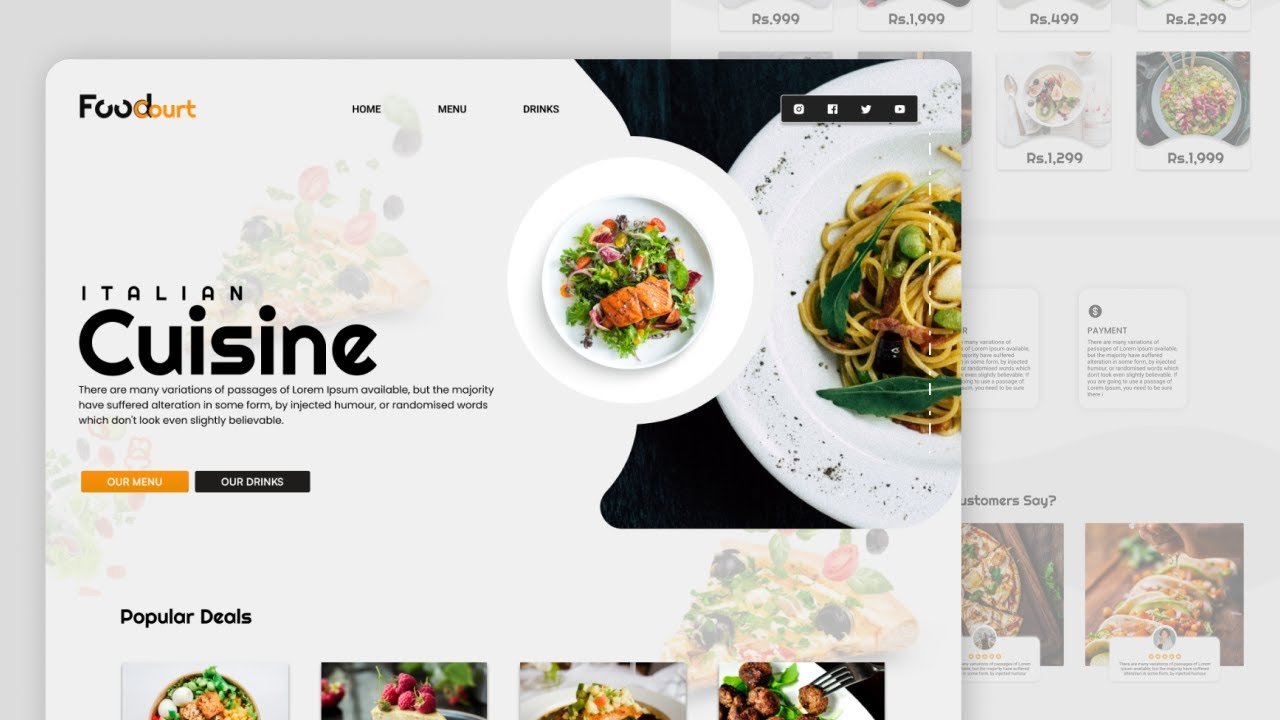
In 2026, one of the top web design trends is integrating advanced features that enhance both user experience and website performance. Modern websites are designed to include functionality that improves engagement without slowing down the site or compromising usability.
Well-planned design allows businesses to incorporate tools and integrations that support speed, accessibility, and overall website effectiveness. Key features gaining prominence include:
- SEO optimization tools to boost search visibility
- Strong security measures to protect user data and build trust
- Performance enhancements for faster page loading
- eCommerce functionality to organize and index products efficiently
- Contact forms and lead generation systems for better engagement
- Booking or appointment systems for structured, crawlable content
- Analytics and reporting tools to monitor user behavior and site performance
For businesses targeting global audiences, multilingual support has become a major trend, enabling websites to reach users in multiple regions—such as Arabic and English content for audiences in Saudi Arabia or Dubai—while improving SEO.
Thoughtful integration of these features ensures websites are faster, user-friendly, and optimized for search engines, reflecting one of the most important web design trends of 2026.
7. Mobile-First and Fully Responsive Design
In 2026, mobile-first design continues to be one of the most important web design trends. With the majority of internet traffic coming from smartphones and tablets, websites must perform flawlessly across all devices. Responsive design ensures layouts adjust automatically to different screen sizes, providing seamless user experiences and signaling quality to search engines.
A well-executed responsive website boosts engagement metrics such as time on site and reduces bounce rates—both key factors for online visibility. Global businesses benefit by delivering consistent experiences on:
- Smartphones
- Tablets
- Laptops
- Desktop computers
Prioritizing mobile-friendly, responsive design is essential for creating user-friendly websites that perform well in search results.
8. Strong Security and Regular Updates
Website security remains a top trend in 2026, as search engines favor trustworthy, safe sites. Incorporating robust security measures into design helps protect users, prevent downtime, and maintain search engine trust.
Key security practices include:
- Protection against malware, viruses, and cyber threats
- Spam prevention
- Safeguards against unauthorized login attempts
- Regular updates for themes, plugins, and software
Secure websites ensure uninterrupted performance, maintain user confidence, and support better search engine rankings—especially for businesses handling sensitive information or online payments.
9. Global Support and Platform Communities
Modern web design benefits from platforms with strong global support networks. Tools like WordPress offer extensive developer and designer communities, providing tutorials, technical assistance, and performance optimization guidance.
Benefits of leveraging community support include:
- Access to step-by-step guides and resources
- Professional development and customization help
- Troubleshooting and maintenance solutions
- Tailored solutions for business-specific needs
No matter the location—USA, Canada, France, Saudi Arabia, or Dubai—these communities help businesses maintain fast, optimized websites that deliver excellent user experiences.
10. Integrated Digital Marketing and SEO Tools
One of the latest trends in 2026 is designing websites to seamlessly integrate marketing and SEO tools. Well-integrated platforms allow businesses to monitor performance, improve engagement, and optimize campaigns without affecting site speed.
Essential integrations include:
- Google Analytics and Search Console for traffic and performance insights
- Email marketing platforms for campaigns and lead nurturing
- Social media tools to increase audience engagement
- CRM systems to manage customer interactions efficiently
Designing websites with integrated marketing and SEO tools ensures businesses can track user behavior, enhance conversions, and achieve measurable growth across global markets.
Final Thoughts
In 2026, web design trends are shaping the way businesses perform online. From responsive, mobile-first layouts and fast-loading pages to structured navigation, robust security, and integrated marketing tools, every design choice influences user engagement and overall website effectiveness.
Businesses in the USA, UK, Canada, Australia, France, Saudi Arabia, and Dubai recognize that a modern, trend-driven website is more than just visually appealing—it’s a strategic asset that attracts visitors, enhances user experience, and strengthens brand presence worldwide.
Whether you’re launching a startup, running a creative agency, or expanding globally, following the latest web design trends ensures your site remains professional, user-friendly, and competitive in the evolving digital landscape.
By embracing these trends thoughtfully, web design becomes a powerful tool—driving engagement, increasing visibility, supporting lead generation, and enabling long-term growth across multiple markets.