Complete Beginner Guide to SEO in 2026
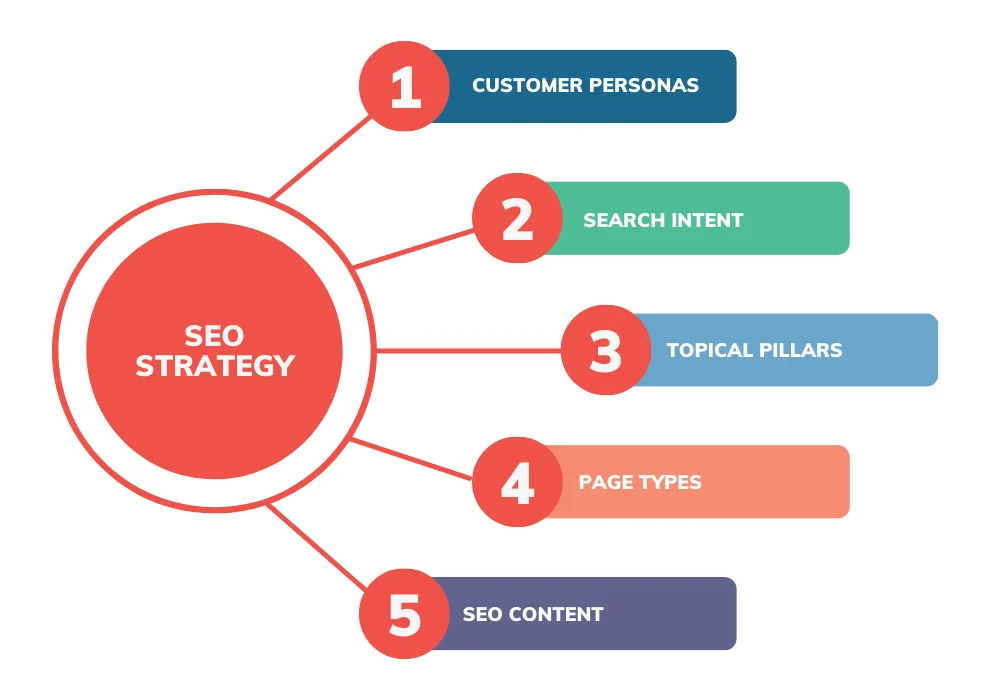
Complete Beginner Guide to SEO in 2026
In the modern digital world, simply having a website is no longer enough. To succeed online in 2026, businesses, bloggers, and beginners must understand Search Engine Optimization (SEO) — the process of improving a website so it appears higher in search engine results. SEO helps websites attract organic traffic, build credibility, and grow consistently without relying only on paid advertising.
SEO has evolved significantly over the years. Search engines now focus on user experience, content quality, website performance, and helpful information rather than outdated tactics like keyword stuffing. Businesses across the USA, UK, Canada, Australia, France, Saudi Arabia, and the UAE recognize that strong SEO practices are essential for reaching global audiences, improving visibility, and staying competitive in an increasingly digital marketplace.
For beginners, SEO may seem complex at first, but understanding its core principles makes the process much easier. Factors such as website structure, keyword research, mobile responsiveness, page speed, and high-quality content all play a crucial role in determining how search engines rank your website. Ignoring these fundamentals can result in poor rankings and low traffic, while applying modern SEO strategies creates a smoother user experience and stronger online authority.
In this complete beginner guide to SEO in 2026, we will break down the essential concepts of modern SEO, explain how search engines work, and share practical strategies that help beginners build a solid foundation for long-term online growth.
1. Understanding SEO Basics: Building a Strong Foundation
For beginners starting their online journey in 2026, learning the fundamentals of SEO is the first and most important step. Search Engine Optimization is not just about inserting keywords into content; it focuses on creating websites that are helpful, easy to navigate, and valuable for users.
Every website — whether a business platform, personal blog, online store, or service website — needs an SEO strategy that reflects its goals and audience needs. Modern SEO prioritizes user intent, clear website structure, and high-quality information rather than technical complexity.
Beginners can start improving SEO performance by focusing on essential elements such as:
- Creating clear and organized website structures
- Using relevant keywords naturally within content
- Designing mobile-friendly and responsive pages
- Writing helpful, user-focused content
- Optimizing titles, headings, and meta descriptions
Today’s website builders and content management systems allow beginners to apply SEO practices without advanced technical knowledge. Even new website owners can build search-friendly pages by following structured content planning and basic optimization principles. When SEO fundamentals are implemented correctly, websites become easier for search engines to understand and rank.
2. Keeping Your Website Optimized: Updates, Performance, and Technical SEO
SEO success in 2026 depends not only on content but also on maintaining a healthy and well-optimized website. Search engines prefer websites that load quickly, function smoothly, and stay updated with modern web standards.
Regular website maintenance plays a major role in technical SEO. Updates improve performance, strengthen security, and ensure compatibility with new search engine requirements and technologies. Beginners should develop simple maintenance habits to keep their websites optimized over time.
Important SEO maintenance practices include:
- Updating website software and plugins regularly
- Improving page loading speed and performance
- Fixing broken links and technical errors
- Ensuring mobile responsiveness across devices
- Monitoring website performance using analytics tools
Search engines evaluate user experience when ranking websites. Slow pages, outdated features, or technical problems can reduce visibility, while consistent optimization helps websites remain competitive in global search results.
By combining strong SEO basics with ongoing technical improvements, beginners can build websites that perform reliably, attract organic traffic, and support long-term online growth.
3. Beginner-Friendly SEO Management: Optimizing Your Website the Easy Way
One of the biggest advantages for beginners learning SEO in 2026 is that website optimization has become more accessible than ever. You no longer need advanced technical skills or coding expertise to improve your website’s search engine visibility. Modern platforms and SEO tools allow beginners to manage optimization tasks from a simple and centralized dashboard.
Effective SEO management focuses on organizing content clearly, improving user experience, and helping search engines understand your website structure. Even new website owners can implement powerful optimization strategies by following straightforward processes.
From a single control panel, beginners can easily handle important SEO activities such as:
- Optimizing page titles and meta descriptions
- Structuring headings for better readability
- Managing internal links and navigation menus
- Updating content for freshness and relevance
- Previewing SEO changes before publishing
This simplified approach makes SEO practical for bloggers, startups, and small businesses aiming to grow online without complicated technical setups. Consistent optimization helps websites remain modern, user-friendly, and aligned with current search engine standards.
For example, websites targeting international audiences can improve visibility by creating mobile-responsive pages, organizing multilingual content, and structuring service or product pages clearly. When beginners apply easy-to-manage SEO practices regularly, they build websites that attract visitors, improve engagement, and perform strongly in global search results.

4. Budget-Friendly SEO Strategies for Beginners
One of the most encouraging aspects of learning SEO in 2026 is that achieving online visibility does not require a large budget. Unlike paid advertising or complex marketing campaigns, SEO allows beginners and small businesses to grow their online presence through smart optimization rather than heavy financial investment.
Modern SEO tools and platforms provide affordable — and often free — solutions that help website owners improve rankings, attract visitors, and compete with larger brands. Beginners can start implementing effective SEO practices without hiring large marketing teams or investing in expensive software.
Cost-effective SEO approaches include:
- Performing basic keyword research using free tools
- Creating helpful and informative content regularly
- Optimizing website speed and mobile responsiveness
- Improving internal linking and site navigation
- Monitoring performance through free analytics platforms
Startups, freelancers, and service-based businesses around the world increasingly rely on SEO because it delivers long-term traffic growth without ongoing advertising costs. With consistent effort and smart optimization, even small websites can compete in search results and build strong online authority.
5. Scalable SEO Strategies That Grow with Your Website
SEO is not a one-time task — it is a long-term growth strategy that evolves alongside your website. As your online presence expands, your SEO approach should also adapt to handle increased content, larger audiences, and higher competition levels.
Beginners often start with basic optimization techniques, but successful websites gradually implement more advanced SEO practices to maintain strong rankings and improve performance over time.
As your website grows, scalable SEO improvements may include:
- Expanding keyword targeting across multiple topics
- Creating structured content categories and topic clusters
- Optimizing images, videos, and multimedia content
- Enhancing technical SEO for faster performance
- Implementing advanced analytics and user behavior tracking
Many high-performing websites succeed because their SEO strategy develops step by step. A strong foundation allows beginners to transition smoothly from simple optimization methods to advanced search strategies without rebuilding their entire website.
By adopting scalable SEO practices early, website owners can ensure steady traffic growth, improved search visibility, and a sustainable digital presence that continues to perform well in the evolving SEO landscape of 2026.

6. Essential SEO Features Every Beginner Should Focus On
In 2026, successful SEO is no longer limited to adding keywords to webpages. Modern search engines evaluate multiple website factors, including structure, usability, performance, and overall user experience. Fortunately, beginners now have access to powerful SEO features and tools that make optimization easier than ever.
Today’s websites can integrate essential SEO elements without requiring advanced technical knowledge. These built-in capabilities help beginners create search-friendly websites that are easy for both users and search engines to understand.
Important SEO features beginners should prioritize include:
- Structured page layouts that improve content readability
- Clear navigation systems that help search engines crawl pages efficiently
- Mobile-friendly and responsive website design
- Fast loading speeds and optimized performance
- SEO-friendly URLs and organized content categories
- Support for multilingual or international audiences
- Integration with analytics and search performance tools
For example, websites targeting global audiences can improve visibility by organizing services, blog posts, and resources into well-structured sections that match user search intent. Search engines reward websites that provide clear information, smooth navigation, and accessible content across devices and regions.
By focusing on these essential SEO features, beginners can build websites that not only look professional but also perform strongly in search rankings. A well-optimized structure ensures better indexing, improved user engagement, and long-term growth in organic traffic throughout the evolving SEO landscape of 2026.
7. Mobile-First SEO: Why Responsive Websites Rank Better
In 2026, mobile optimization is no longer optional — it is a core ranking factor in modern SEO. The majority of internet users now browse websites using mobile devices, which means search engines prioritize websites that deliver smooth experiences across all screen sizes.
A mobile-friendly website ensures that visitors can easily read content, navigate pages, and interact with features regardless of the device they use. Search engines evaluate mobile usability when determining rankings, making responsive design essential for beginners who want to grow organic traffic.
Important mobile SEO considerations include:
- Responsive layouts that adjust automatically to different screens
- Fast loading speeds on smartphones and tablets
- Easy-to-read text and properly spaced elements
- Touch-friendly navigation menus and buttons
- Consistent performance across mobile and desktop devices
Websites optimized for mobile users experience lower bounce rates, higher engagement, and improved search visibility. Adopting a mobile-first mindset helps beginners build websites that perform effectively for both users and search engines worldwide.
8. Continuous SEO Improvement and Website Optimization
SEO success depends on ongoing improvement rather than one-time optimization. Search engine algorithms evolve frequently, and websites must adapt to maintain strong rankings and visibility.
Regular updates and performance enhancements help ensure that websites remain aligned with modern SEO standards. Beginners should treat SEO as a continuous process focused on refining content quality, improving technical performance, and enhancing user experience.
Key ongoing SEO practices include:
- Updating existing content with fresh information
- Improving page speed and technical performance
- Fixing broken links or outdated pages
- Optimizing multimedia elements such as images and videos
- Monitoring website health and search performance
Websites that receive consistent optimization signals demonstrate reliability and relevance, which search engines reward with stronger rankings over time.
9. Learning Resources and Tools for SEO Beginners
One of the biggest advantages of starting SEO in 2026 is the availability of educational resources and support communities. Beginners no longer need professional-level expertise to understand SEO concepts or implement optimization strategies.
A wide range of online tools, tutorials, and expert communities help new website owners learn SEO step by step. These resources allow beginners to experiment, improve skills, and solve problems efficiently.
Helpful SEO learning resources include:
- Beginner-friendly SEO tutorials and guides
- Keyword research and analytics tools
- Website audit and performance monitoring platforms
- Online communities and expert discussions
- Educational courses focused on modern SEO practices
Access to reliable learning materials empowers beginners to manage their own SEO confidently while continuously improving website performance and search visibility.
10. Integrating SEO With Marketing and Growth Tools
In 2026, SEO works best when combined with broader digital marketing strategies. Successful websites integrate SEO with tools that help track performance, understand audience behavior, and improve customer engagement.
Modern websites can connect optimization efforts with marketing systems that support long-term growth and smarter decision-making.
Important SEO integrations include:
- Analytics platforms for tracking traffic and rankings
- Email marketing systems for audience engagement
- Lead generation and customer management tools
- Content marketing workflows
- Performance dashboards for monitoring results
When SEO is integrated with marketing and data analysis tools, beginners gain deeper insights into how visitors interact with their website. This allows continuous improvement, stronger audience relationships, and sustainable online growth.
Final Thoughts
Mastering SEO in 2026 is one of the most important steps toward building a successful online presence. A well-optimized website helps businesses, bloggers, and beginners reach the right audience, improve search visibility, and create long-term digital growth without relying entirely on paid marketing.
Modern SEO goes beyond keywords — it focuses on delivering valuable content, excellent user experience, fast website performance, and consistent optimization. As search engines become smarter, websites that prioritize helpful information, clear structure, and user satisfaction gain stronger rankings and lasting credibility.
Organizations and creators worldwide now recognize SEO as a foundational strategy for online success. Whether you are starting a personal blog, launching a startup, running an online service, or expanding into international markets, learning SEO fundamentals allows your website to compete effectively in global search results.
By applying beginner-friendly SEO practices — including high-quality content creation, mobile optimization, technical improvements, and continuous learning — you can build a website that grows steadily over time. SEO is not a one-time task but an ongoing process that strengthens your digital presence and builds trust with both users and search engines.
With patience, consistency, and the right strategies, beginners in 2026 can transform their websites into powerful platforms that attract organic traffic, engage visitors, and support sustainable online success.