How to Build a Fast Loading Website for Better Google Ranking

Why Website Speed Matters for Better Google Rankings
In today’s competitive online environment, website performance plays a critical role in determining how well your site ranks on Google. A fast-loading website is no longer just a technical advantage — it has become an essential factor for improving search visibility, user engagement, and long-term business success. Businesses across regions such as the USA, UK, Canada, Australia, France, Saudi Arabia, and the UAE (Dubai) are prioritizing website speed to attract visitors, enhance user satisfaction, and achieve stronger search engine rankings.
Google focuses heavily on user experience, and page loading speed is one of the most important signals used to evaluate a website’s quality. When a website loads quickly, visitors can access information instantly, navigate smoothly, and interact with content without frustration. On the other hand, slow websites often cause users to leave before the page fully loads, increasing bounce rates and negatively impacting SEO performance.
Building a fast website involves more than reducing loading time—it includes optimizing layout structure, improving mobile responsiveness, streamlining navigation, and ensuring content is delivered efficiently. A well-optimized website allows search engines to crawl pages more effectively while keeping users engaged for longer periods.
In this guide, we’ll discuss how creating a fast-loading website can significantly improve Google rankings and explore the essential performance strategies businesses should implement to boost organic traffic, strengthen online presence, and stay competitive in modern digital markets.
1. Create a Flexible Website Structure That Improves Loading Speed
A high-performing website starts with a flexible structure that allows smooth performance and faster page delivery. Website flexibility is not only about design appearance — it directly influences how quickly pages load, how users navigate content, and how efficiently Google understands your website.
Every business type requires a website structure that supports both performance and usability. Whether you operate an online store, a corporate company, a service-based business, or a creative portfolio, your website layout should be easy to manage, scalable, and optimized for speed.
A well-planned structure helps reduce unnecessary elements, improves navigation flow, and prevents performance issues that slow down loading times. Faster navigation and optimized layouts allow visitors to access information instantly, which contributes positively to Google ranking signals.
Types of websites where performance-focused design plays an important role include:
- Corporate company websites
- eCommerce platforms and online marketplaces
- Service-based business websites
- Creative portfolios and agency sites
- Online booking or appointment systems
For example, creative agencies often rely on images, videos, and portfolio sections to showcase work. When these elements are optimized properly using lightweight layouts and performance-friendly design techniques, the website remains visually appealing while maintaining fast loading speed. This balance improves user engagement and helps search engines crawl and index pages more efficiently.
2. Design Your Website with Speed and SEO in Mind
Website speed and SEO performance are closely connected. Google prioritizes websites that load quickly, offer smooth navigation, and deliver content without delays. A website designed with performance optimization from the beginning has a stronger chance of ranking well in competitive markets such as the USA, UK, Canada, Australia, France, Saudi Arabia, and the UAE (Dubai).
To build a fast-loading website that performs well in search results, several design and technical elements must work together.
Important performance-focused design factors include:
- Clean and lightweight website coding
- Mobile-responsive layouts that load efficiently on all devices
- Optimized page speed and reduced loading resources
- Proper heading structure and SEO-friendly URLs
- Efficient integration of SEO tools and structured data
When these elements are implemented correctly, search engines can access and understand website content faster. At the same time, visitors experience smooth browsing, faster interaction, and improved usability.
Combining smart design decisions with speed optimization helps increase organic traffic, improve search visibility, and build stronger authority in global search results.
3. Use a Performance-Friendly Content Management System
A fast website is not only built through design and coding — it also depends on how efficiently content is managed and updated. Choosing the right content management system (CMS) plays a major role in maintaining website speed while supporting strong Google rankings.
Modern websites need a system that allows quick content updates without adding unnecessary scripts or heavy elements that slow down performance. When businesses can easily manage their website content, they can keep pages fresh, optimized, and aligned with current SEO practices.
A user-friendly CMS helps website owners:
- Publish blog posts and new content without delays
- Update product or service pages efficiently
- Add optimized images, videos, and multimedia content
- Manage testimonials, portfolios, and customer success stories
Frequent content updates signal to Google that a website remains active and relevant. Regularly optimized pages with proper keywords, structured headings, and updated information improve search visibility while encouraging visitors to spend more time on the site.
Additionally, a well-optimized CMS reduces technical complexity behind the scenes. Clean content structure, faster database performance, and efficient page rendering allow search engines to crawl and index pages quickly. This results in improved loading speed, better user experience, and stronger positioning in Google search results.
4. Build Your Website with Performance-Focused Development
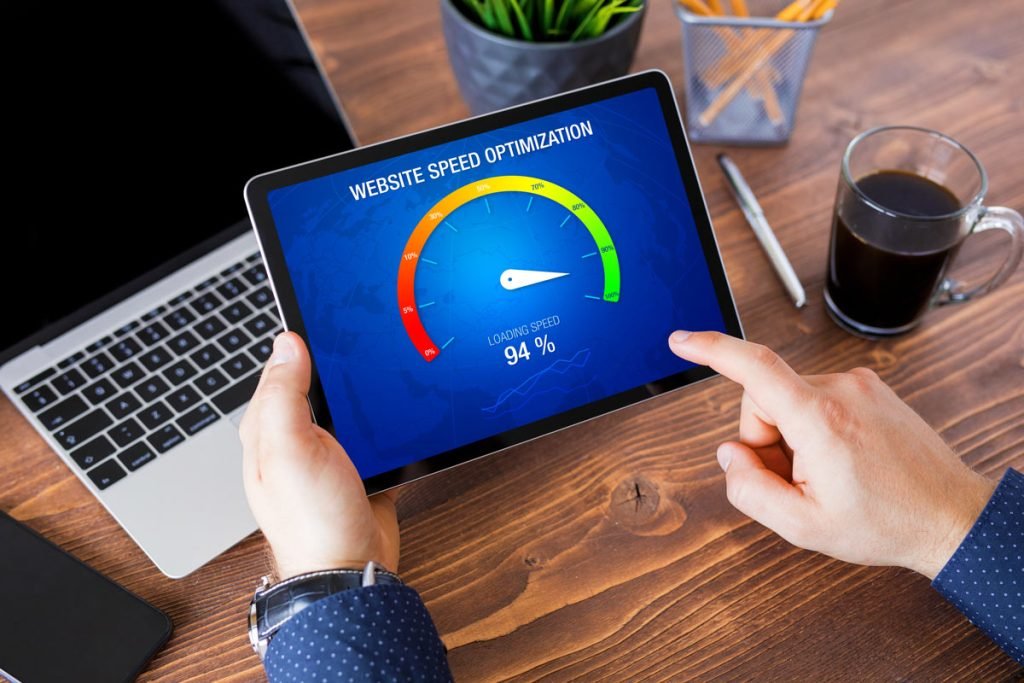
Website speed is heavily influenced by how a site is developed behind the scenes. Efficient development practices help reduce loading time, improve technical performance, and strengthen Google ranking potential. A well-built website combines clean coding, smart structure, and optimized functionality to deliver fast and reliable performance.
Instead of adding unnecessary features that slow down a website, businesses should focus on streamlined development that prioritizes speed and usability. Whether you run a startup, service business, or creative company, performance-driven development ensures your website remains professional while staying optimized for search engines.
Key development practices that support faster websites include:
- Lightweight layouts designed for quick page rendering
- Organized and optimized coding for easier search engine crawling
- SEO-ready frameworks and performance-focused themes
- Smart feature integration without excessive plugins or heavy scripts
Businesses operating in competitive regions such as Canada, Australia, the UK, and the UAE increasingly choose development strategies that balance cost efficiency with strong SEO performance. This approach helps maintain fast loading speed while building a powerful online presence that performs well in Google search results.
5. Design a Scalable Website That Maintains Speed as You Grow
A fast-loading website should not only perform well today but also remain efficient as your business expands. Scalability plays a major role in long-term Google rankings because search engines favor websites that maintain consistent performance even when traffic, content, or functionality increases.
A scalable website allows new features and pages to be added without affecting loading speed or user experience. Planning scalability from the beginning prevents performance issues that often occur when websites grow too quickly without proper structure.
Growth-ready website design makes it easier to introduce features such as:
- Online stores and advanced eCommerce functionality
- Subscription or membership platforms
- Appointment booking and scheduling systems
- Digital courses or downloadable products
- Customer dashboards and secure user portals
High-traffic businesses and global brands rely on scalable website architecture to ensure stable speed, smooth navigation, and proper indexing by search engines. By building scalability into your website from the start, you create a future-ready platform that supports continuous growth while maintaining strong Google ranking performance.
6. Add Smart Features and Integrations Without Slowing Your Website
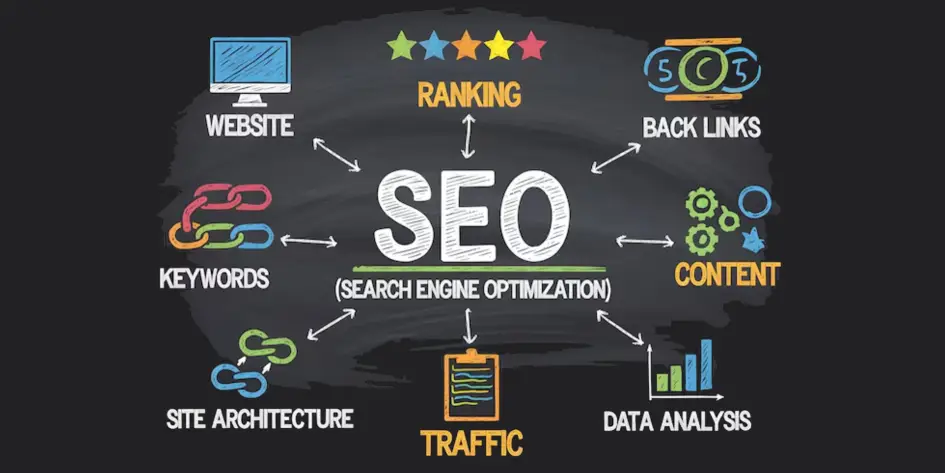
A fast-loading website is not only about design aesthetics — it also depends on how efficiently features and tools are integrated. Modern websites require advanced functionality, but adding too many heavy elements can negatively impact loading speed and search engine performance. The key is to implement powerful features in a way that maintains speed, usability, and SEO strength.
When integrations are planned carefully, businesses can enhance website performance while improving user experience and Google visibility. Performance-focused integrations allow websites to remain responsive, organized, and easy for search engines to understand.
Important integrations that support faster websites and stronger rankings include:
- SEO optimization tools that improve search visibility
- Strong security systems that protect data and build user trust
- Speed optimization solutions such as caching and performance monitoring
- Structured eCommerce features that organize products for better indexing
- Contact forms and lead capture systems that encourage user interaction
- Booking or scheduling tools that create well-structured, crawlable pages
- Analytics platforms to track user behavior and website performance
For businesses targeting global audiences, multilingual functionality can also improve both accessibility and search performance. Offering content in multiple languages allows companies to reach regional markets more effectively while helping search engines understand location-based relevance.
By integrating advanced features strategically rather than excessively, businesses can maintain fast loading times, improve site usability, and strengthen their chances of achieving higher Google rankings while supporting long-term digital growth.
7. Ensure Mobile Optimization for Faster Performance
In today’s mobile-first digital world, website speed on smartphones and tablets plays a major role in Google rankings. Since the majority of users browse the internet through mobile devices, a fast-loading website must deliver consistent performance across every screen size.
A mobile-optimized website automatically adjusts layouts, images, and content to fit different devices without slowing down page speed. This responsive approach improves usability while helping Google evaluate your website as high quality and user-focused.
Optimizing for multiple devices ensures smooth browsing experiences on:
- Smartphones
- Tablets
- Laptops
- Desktop systems
When users can navigate your website easily on any device, engagement improves naturally. Faster interaction, longer visit duration, and reduced bounce rates all send positive ranking signals to Google, helping your website achieve stronger search visibility.
8. Strengthen Website Security to Protect Speed and Rankings
Website performance is closely connected to security. Search engines prioritize secure and reliable websites because they protect users from risks such as malware, spam, and data breaches. A secure website maintains stable performance while building trust with both visitors and search engines.
Implementing strong security practices helps prevent technical problems that can slow down your website or cause downtime.
Essential security measures include:
- Protection against malicious software and cyber threats
- Spam filtering and secure form handling
- Prevention of unauthorized login attempts
- Regular updates for website software, themes, and plugins
Maintaining website security ensures uninterrupted performance, faster loading reliability, and improved credibility — all of which contribute to better Google ranking outcomes, especially for businesses handling payments or sensitive customer data.
9. Use Reliable Platforms and Expert Support for Ongoing Optimization
Building a fast website is not a one-time task. Continuous performance improvement requires access to reliable tools, expert resources, and ongoing technical support. Choosing a widely supported platform allows businesses to maintain speed optimization and SEO performance more efficiently.
Platforms backed by strong global communities provide valuable advantages, including:
- Access to learning resources and optimization guides
- Professional development and customization support
- Faster troubleshooting and performance fixes
- Scalable solutions tailored to business needs
With the right ecosystem of developers and specialists, businesses operating in markets such as the USA, Canada, France, Saudi Arabia, or Dubai can continuously enhance website performance while maintaining excellent search engine visibility.
10. Integrate Digital Marketing Tools Without Compromising Speed
A fast-loading website should also work seamlessly with marketing and SEO tools that help businesses grow online. Proper website planning allows essential integrations to function efficiently without affecting performance or loading time.
Strategic integrations help businesses monitor user activity, improve engagement, and optimize campaigns based on real data.
Important marketing and SEO integrations include:
- Analytics tools for tracking traffic and user behavior
- Search performance monitoring platforms
- Email marketing systems for audience engagement
- Social media integrations to expand reach
- Customer management tools for handling leads and conversions
When marketing systems are integrated correctly, businesses gain actionable insights while maintaining website speed. This balance between performance and functionality supports higher Google rankings, improved conversions, and sustainable digital growth.
Final Thoughts
In 2026, website speed and design are crucial factors for improving Google rankings and overall online visibility. From fast-loading pages and responsive layouts to intuitive navigation, strong security, and seamless marketing integrations, every aspect of your website influences how search engines evaluate it and how users interact with it.
Businesses across the USA, UK, Canada, Australia, France, Saudi Arabia, and Dubai recognize that a fast, optimized website is more than just visually appealing—it’s a strategic asset that drives organic traffic, boosts search performance, and strengthens brand presence worldwide.
Whether you are launching a new business, running a creative agency, or expanding into international markets, focusing on speed-focused, SEO-friendly design ensures your website delivers an engaging, professional, and high-performing digital experience.
When implemented thoughtfully, a fast-loading website becomes one of your strongest tools—enhancing Google rankings, attracting relevant visitors, generating leads, and supporting sustainable growth across multiple markets.