Why Responsive Website Design Is Important for SEO

Why Responsive Website Design Is Important for SEO
In today’s digital landscape, responsive website design is no longer just about visual appeal—it plays a vital role in improving search engine performance. A responsive website automatically adapts to different devices and screen sizes, helping users browse comfortably while allowing search engines to better crawl and rank your content. Businesses across the USA, UK, Canada, Australia, France, Saudi Arabia, and the UAE (Dubai) understand that mobile-friendly design and user experience are essential for stronger SEO visibility.
Every component of a responsive website—from flexible layouts and mobile navigation to fast loading speeds and readable content—directly influences how users interact with your site and how search engines evaluate it. Websites that fail to perform smoothly on mobile devices often experience higher bounce rates and lower rankings, whereas responsive designs enhance usability, improve engagement, and support better SEO outcomes.
In this article, we’ll discuss why responsive website design is important for SEO, highlighting key benefits, best practices, and optimization strategies that help websites achieve higher search rankings and deliver a consistent user experience across all devices.
1. Flexible and Responsive Website Designs That Support SEO Growth
A responsive website must be adaptable and well-structured to meet modern SEO requirements. Today’s websites need to function smoothly across multiple devices, screen sizes, and browsing environments while clearly presenting content in a way that search engines can easily understand and rank.
Whether your website belongs to an online business, corporate service provider, digital agency, or consultancy firm, responsive design helps organize content efficiently, enhance readability, and streamline navigation across platforms—important factors that contribute directly to improved SEO performance.
Websites that benefit most from responsive, SEO-focused design include:
Corporate business websites
eCommerce stores and online marketplaces
Service-based platforms
Creative portfolios and showcase websites
Booking and appointment management platforms
For example, a creative agency can implement responsive galleries, optimized media displays, and mobile-friendly layouts that adjust automatically to different devices. Well-structured responsive designs improve user engagement, lower bounce rates, and allow search engines to crawl and index pages more effectively, ultimately strengthening search rankings.
2. User-Centered Responsive Design That Enhances SEO Performance
An effective SEO strategy relies heavily on user experience, and responsive design ensures visitors can access, read, and interact with website content effortlessly on any device. Search engines prioritize websites that provide smooth navigation and consistent usability, making user-focused responsive design essential for better visibility.
Key elements of SEO-driven responsive design include:
Clear navigation systems and logically structured page layouts
Mobile-first, fully responsive pages optimized for all devices
Fast-loading performance that reduces bounce rates
Strategic headings, optimized content structure, and readable formatting
Integration with analytics, tracking tools, and performance optimization systems
By applying these responsive design principles, businesses develop websites that not only maintain a professional appearance but also align with modern SEO standards, helping improve rankings, increase organic traffic, and deliver a consistent browsing experience across all devices.
3. Easy Content Management That Supports Better SEO Performance
A responsive website is not only defined by its design but also by how easily content can be managed and optimized for search engines. An efficient content management system (CMS) enables businesses to maintain updated, mobile-friendly content that improves visibility and supports long-term SEO growth.
With a responsive and easy-to-use CMS, businesses can:
Publish blogs, updates, or news content efficiently
Modify service or product pages to keep information relevant
Upload optimized images, videos, and multimedia content
Manage testimonials, case studies, and portfolio updates seamlessly
Consistently refreshed content signals relevance to search engines while keeping users engaged across all devices. Regular updates also help maintain optimized headings, keywords, and structured information that contribute to improved search rankings.
Furthermore, a well-integrated CMS simplifies technical management, supports faster loading speeds, and ensures a smooth browsing experience. These factors enhance user satisfaction, reduce bounce rates, and strengthen overall SEO performance, helping websites achieve sustainable organic growth.

4. Performance-Focused Responsive Development for Stronger SEO
Responsive website design depends heavily on performance-driven development. Fast loading speeds, optimized structures, and clean coding practices help websites perform efficiently across devices while improving search engine rankings. A well-developed responsive website ensures smooth navigation, faster page rendering, and a better overall user experience—factors that search engines consider when evaluating SEO performance.
Businesses across industries—from startups and digital agencies to professional service providers—benefit from:
Fast-loading responsive pages that reduce bounce rates and improve rankings
Clean, structured code that enhances crawlability and scalability
Layouts optimized for mobile usability and search visibility
Smart feature integration that maintains performance without overwhelming users
Prioritizing performance allows a website to deliver consistent functionality on all devices while supporting improved indexing, stronger engagement, and long-term SEO success.
5. Scalable Responsive Design for Long-Term SEO Growth
An effective responsive website should evolve as a business grows while maintaining strong SEO performance. Scalable design ensures new content, pages, or features can be added without affecting speed, usability, or search rankings—helping websites remain competitive over time.
Scalable responsive websites can support features such as:
eCommerce stores and online shopping functionality
Membership or subscription-based platforms
Online booking and appointment management systems
Digital learning platforms and downloadable products
Customer dashboards and personalized user portals
Planning for scalability ensures your website remains organized, mobile-friendly, and easy for search engines to crawl as it expands. A scalable responsive design strengthens site authority, improves user experience, and supports sustainable SEO growth while maximizing long-term online visibility.
6. Advanced Features and Smart Integrations That Boost SEO Performance
A responsive website is most effective when it combines smart functionality with optimized performance. Beyond visual design, advanced features and seamless integrations enhance user experience, keep visitors engaged across devices, and improve SEO signals by maintaining fast, accessible, and well-structured pages.
Key responsive features that support SEO and user engagement include:
Lead generation tools such as contact forms, chatbots, and call-to-action buttons that encourage interaction
Secure payment gateways and data protection measures that build trust
Performance optimizations like fast-loading pages and compressed media for smooth browsing on all devices
eCommerce functionality that organizes products and simplifies checkout processes
Booking and appointment systems that streamline customer interactions
Analytics and reporting tools to monitor visitor behavior and refine optimization strategies
For businesses serving international audiences, multilingual support is crucial. Providing content in multiple languages, such as English and Arabic, ensures a wider reach while keeping the site fully responsive and accessible.
By integrating these features within a responsive framework, your website not only delivers an exceptional user experience but also strengthens SEO performance—helping convert visitors into leads or customers and driving sustainable business growth.
7. Mobile-First and Fully Responsive Design for SEO
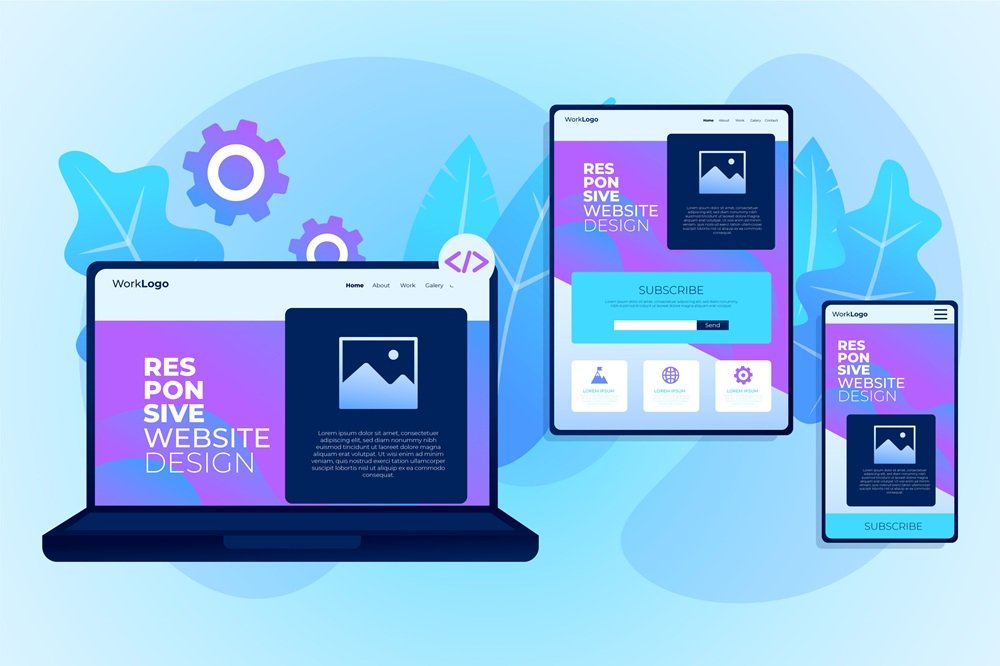
A responsive website must deliver a seamless experience on all devices to perform well in search rankings. With the majority of users browsing via smartphones and tablets, a mobile-first approach ensures visitors can easily navigate, interact, and complete important actions such as purchases, inquiries, or sign-ups.
Responsive design automatically adjusts layouts for different screen sizes, enhancing usability and improving SEO signals by reducing bounce rates and increasing engagement. Businesses targeting a global audience can maintain consistency across:
Smartphones
Tablets
Laptops
Desktop computers
Prioritizing mobile-first, fully responsive design not only boosts user satisfaction but also directly supports SEO by improving page performance, accessibility, and search engine rankings.
8. Strong Security and Timely Updates for Better SEO
Website security is critical for both user trust and SEO performance. A secure, well-maintained site protects user data, prevents downtime, and signals reliability to search engines—factors that influence rankings and visitor conversions.
Key security practices for responsive websites include:
Protection against malware, viruses, and cyberattacks
Secure forms and spam prevention
Login safeguards to prevent unauthorized access
Regular updates for software, themes, and plugins
Maintaining a secure, up-to-date site helps retain users, encourages repeat visits, and supports SEO by keeping the website reliable, fast, and fully functional across all devices.
9. Leveraging Platform Communities and Global Support
Using a website platform with strong community and developer support helps businesses maintain responsive, SEO-friendly sites. Platforms like WordPress provide tutorials, troubleshooting, and optimization guidance that improve both usability and search engine performance.
Benefits of tapping into platform communities include:
Step-by-step resources for setup and responsive optimization
Professional design and development guidance
Efficient troubleshooting and ongoing maintenance
Custom solutions tailored to business and SEO goals
Whether your business operates in the USA, Canada, France, Saudi Arabia, or Dubai, these networks ensure your responsive website is fast, reliable, and optimized to improve search rankings while converting visitors effectively.
10. Integrated Marketing and SEO Tools
A responsive website achieves maximum impact when integrated with marketing and analytics tools. Combining performance tracking, lead generation, and user engagement tools helps businesses optimize the site for conversions while signaling search engines that the site is active, relevant, and valuable.
Essential integrations include:
Analytics platforms (Google Analytics, Search Console) to monitor traffic and SEO performance
Email marketing tools to nurture leads and maintain engagement
Social media integrations to expand reach and improve content visibility
CRM systems to manage leads and optimize customer interactions
Embedding these tools into a responsive website allows businesses to analyze visitor behavior, refine calls-to-action, and improve SEO performance—turning the site into a strategic asset that drives both traffic and conversions.
Final Thoughts
Creating a successful website today goes beyond attractive visuals—it requires a design that is responsive, performance-driven, and optimized for search engines. Every aspect, from mobile-first layouts and fast-loading pages to intuitive navigation, robust security, and integrated SEO tools, contributes to a site that performs well for both users and search engines.
Businesses in the USA, UK, Canada, Australia, France, Saudi Arabia, and Dubai recognize that a responsive, SEO-focused website is a strategic asset. It not only engages visitors but also improves search visibility, builds trust, and encourages inquiries, purchases, or other key actions across all devices.
Whether you are launching a startup, managing a creative agency, or scaling operations globally, prioritizing responsive design and SEO-friendly features ensures your website provides a professional, user-friendly, and search-optimized experience.
By carefully implementing these strategies, your website becomes a powerful tool—turning traffic into leads, enhancing engagement, boosting search rankings, and supporting sustainable business growth across multiple markets.